
Marvel Rivals Lag: How to Fix High Ping, Packet Loss, and FPS Drops
Marvel Rivals is a fast-paced 6v6 Super Hero team-based PvP shooter where timing, movement, and ability combos matter in every fight. However, Marvel Rivals lag can make matches feel delayed, causing high ping, packet loss, rubberbanding, stuttering, or missed abilities during key team fights. This guide will explain why Marvel Rivals lag happens and show how to fix network lag, ping spikes, FPS drops, and connection issues step by step.
Why Is Marvel Rivals Lagging?
Marvel Rivals lag can be caused by server issues, unstable routing, local connections, or PC performance problems. Common causes include:
- Marvel Rivals server lag or maintenance
- High ping from the wrong server node
- Packet loss or unstable ISP routing
- Weak Wi-Fi signal or router instability
- Background downloads and apps
- PC performance bottlenecks
- Corrupted game files
Also Read: Marvel Rivals Server Connection Failed? 6 Useful Fixes
How to Fix Marvel Rivals Lag and High Ping - 12 Fixes
Before changing advanced settings, start with the easiest checks first. The fixes below can help you find the cause and make Marvel Rivals feel more stable.
Fix 1. Check Marvel Rivals Server Status
Before changing your PC or network settings, check whether Marvel Rivals is having server maintenance, update downtime, or temporary server lag. If many players are reporting login issues, matchmaking delays, or sudden disconnects at the same time, the problem may be on the server side.
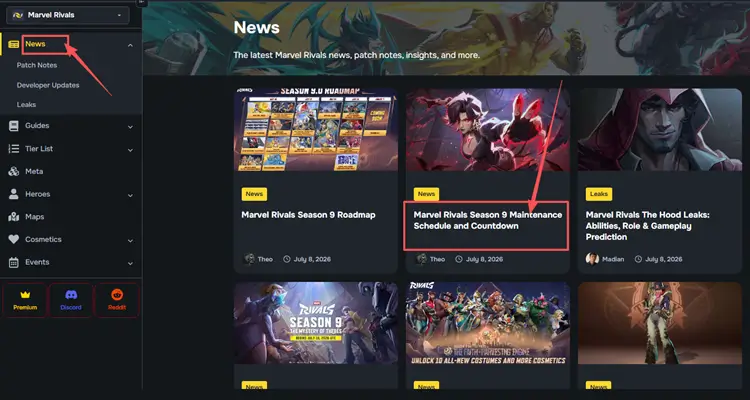
Visit the official Marvel Rivals website, news page, or other official channels for maintenance notices. If the servers are down, wait for the official fix before trying advanced troubleshooting.
Fix 2. Run Marvel Rivals Network Delay Test
Marvel Rivals includes a built-in Network Delay Test that helps you check connection quality before changing advanced settings. If matches feel delayed, use this tool to test the regions or nodes you often connect to.
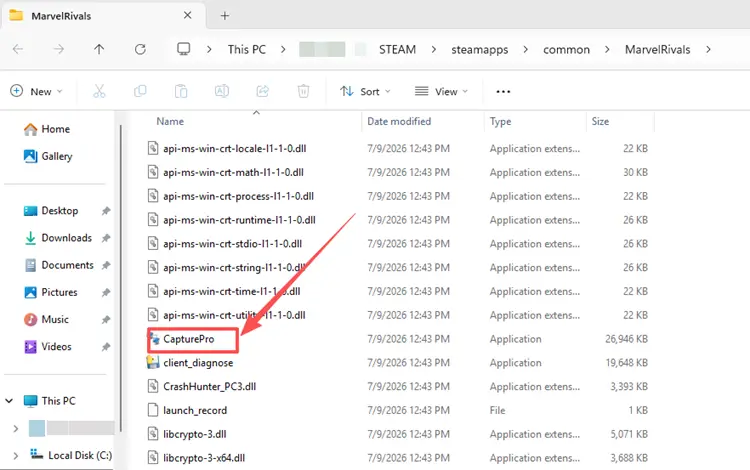
After the test, avoid unstable or faraway nodes when possible. Choosing a better server node can help reduce Marvel Rivals lag, ping spikes, delayed actions, and missed movement skills during team fights.
Fix 3. Turn on Game Mode and Use High-Performance GPU
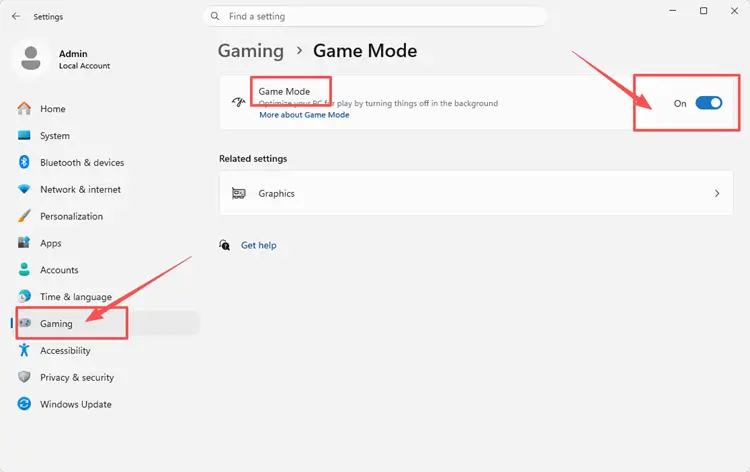
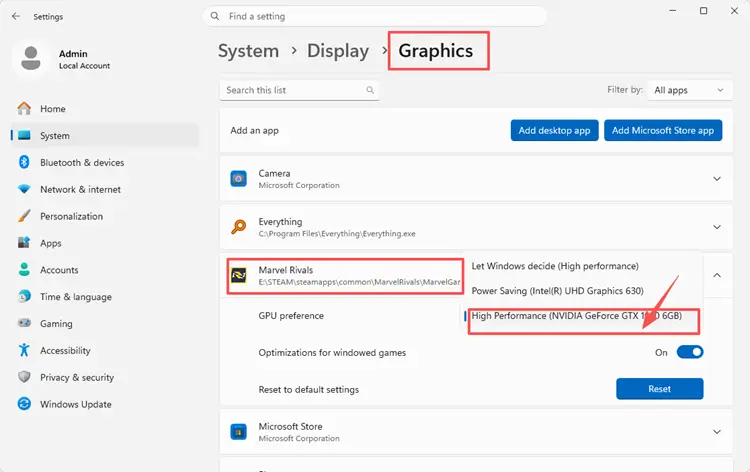
Windows settings may affect Marvel Rivals performance, especially on laptops with both integrated and dedicated graphics cards. Turning on Game Mode and setting Marvel Rivals to High Performance can help the game use the stronger GPU and reduce FPS drops or stuttering.
Step 1. Open Windows Settings, go to Gaming > Game Mode, and turn Game Mode on.
Step 2. Go to System and click Display in Windows Settings.
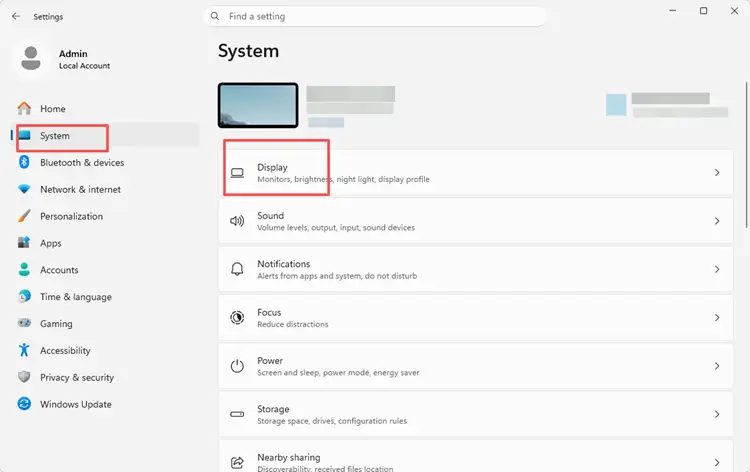
Step 3. Open Graphics settings, select Marvel Rivals, choose High Performance, then save the change.
Fix 4. Restart Your Router and Modem
Your router or modem may cause Marvel Rivals lag if it has been running for a long time, especially when the connection becomes unstable during matches. Restarting your network devices can refresh the connection and help reduce temporary ping spikes or packet loss.
Turn off your router and modem, wait 30-60 seconds, then power them back on. Once the internet is fully connected, launch Marvel Rivals again and test another match.
Fix 5. Use a Wired Ethernet Connection
Wi-Fi can easily cause Marvel Rivals lag when the signal is weak, crowded, or blocked by walls. A wired Ethernet connection is usually more stable and can help reduce packet loss, ping spikes, and rubberbanding during fast matches. Connect your PC directly to the router with an Ethernet cable, then restart Marvel Rivals and test another match.
Fix 6. Close Background Downloads and Apps
Steam downloads, cloud syncing, video streaming, browser updates, or voice chat apps can keep using bandwidth while you play. If these tasks run during matches, Marvel Rivals lag may become more noticeable, especially when your connection or PC performance is already unstable. Follow the steps below to close unnecessary background downloads and apps during your gameplay:
Step 1. Press Ctrl + Shift + Esc to open Task Manager and view running apps and background processes.
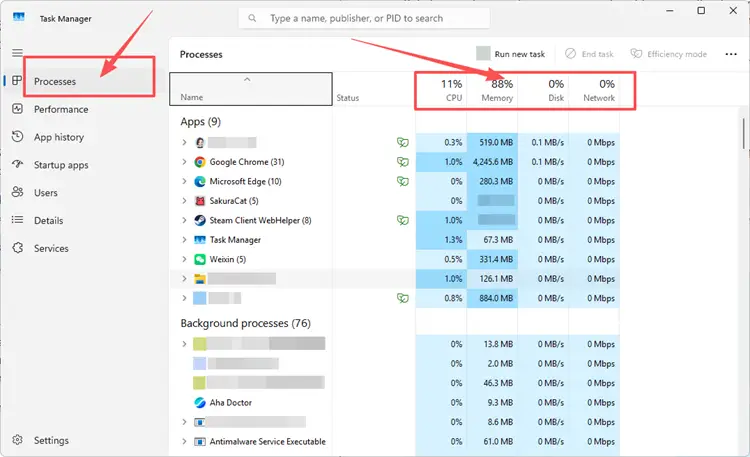
Step 2. Check Processes for apps using high Network, CPU, or Memory, such as browsers, sync tools, launchers, video apps, or downloads.
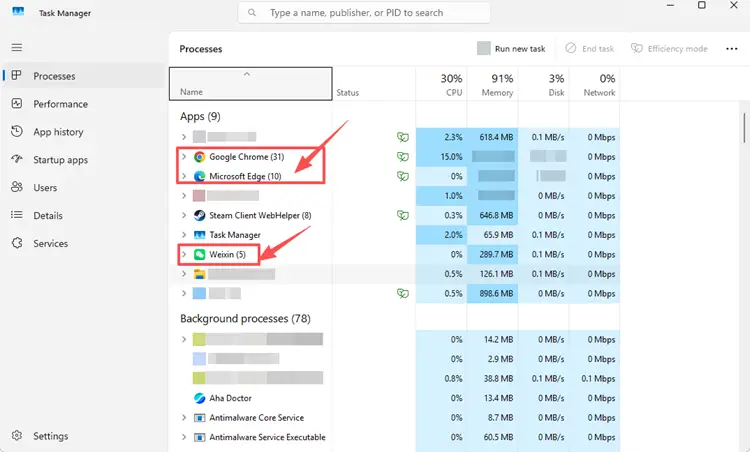
Step 3. Select non-essential apps and click End Task.
Fix 7. Verify Marvel Rivals Game Files
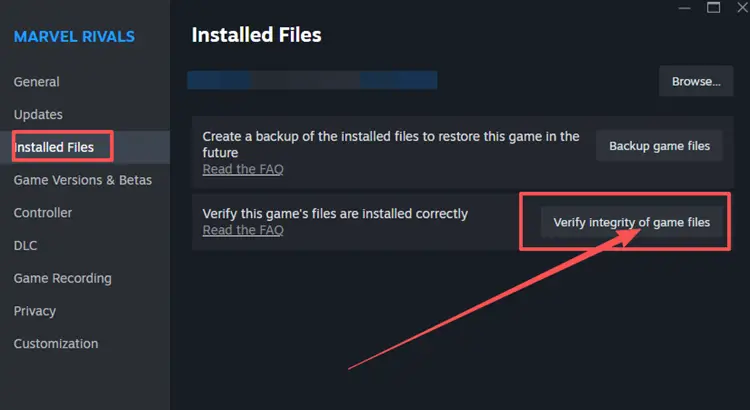
Missing, outdated, or corrupted files may cause Marvel Rivals to launch incorrectly, load slowly, stutter, or run into connection issues. You can verify the integrity of your game files on Steam to check the local installation and replace damaged files. The exact steps may vary depending on your platform. The following steps show you how to verify game files on Steam:
Step 1. Open Steam Library, right-click Marvel Rivals, and select Properties.
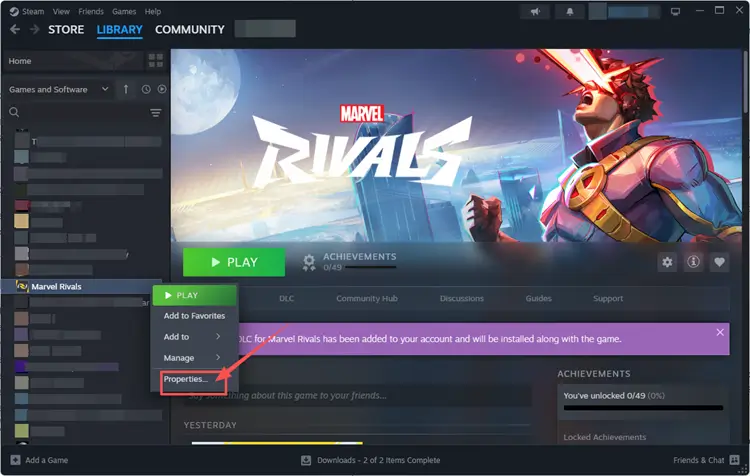
Step 2. Go to Installed Files, then click Verify integrity of game files.
Fix 8. Flush DNS and Reset Network Settings
An outdated DNS cache or temporary Windows network error may affect how Marvel Rivals connects to online services. Flushing DNS and resetting network settings can refresh stored connection records and clear basic network conflicts that may cause Marvel Rivals lag or connection issues.
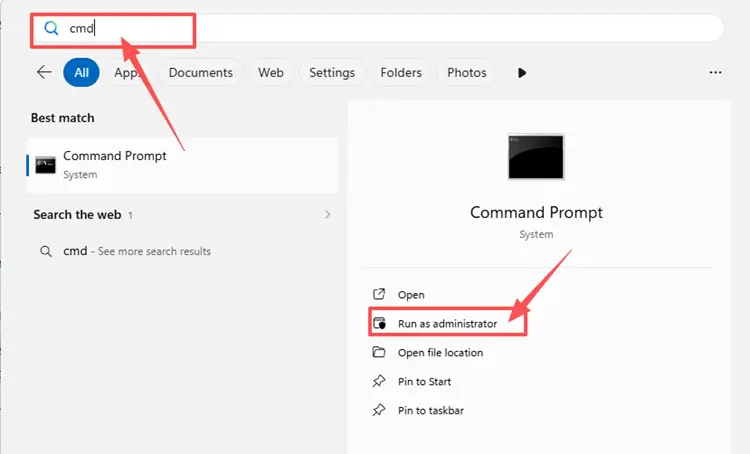
Step 1. Type cmd in the Windows search box, right-click Command Prompt, and select Run as administrator.
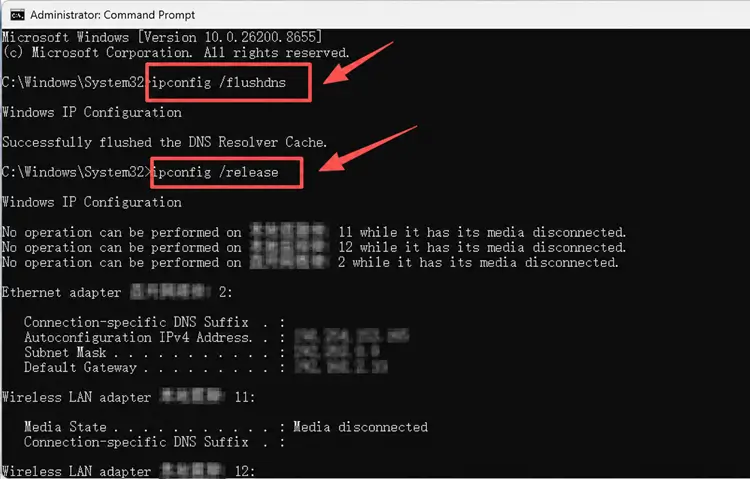
Step 2. Enter the following commands one by one, and press Enter after each command:
- ipconfig /flushdns
- ipconfig /release
- ipconfig /renew
- netsh int ip reset
- netsh winsock reset
Step 3. Restart your PC to apply the changes, then launch Marvel Rivals again and test another match.
Fix 9. Change DNS Settings
If Marvel Rivals lag still happens after flushing DNS, your default DNS server may be slow or unstable. Changing DNS will not fix server-side problems, but it may help your PC reach online services more reliably. Try the following steps to change your DNS settings.
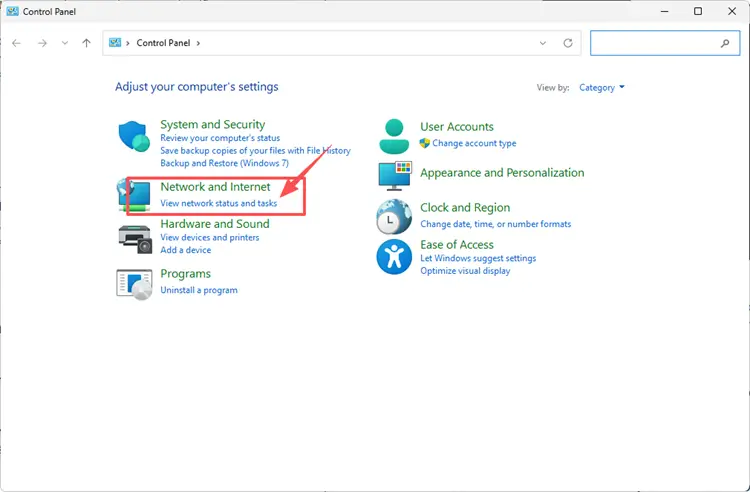
Step 1. Open Control Panel, go to Network & Internet, then click Network and Sharing Center.
Step 2. Select your current Wi-Fi or Ethernet connection, open Properties, and choose Internet Protocol Version 4 (TCP/IPv4).
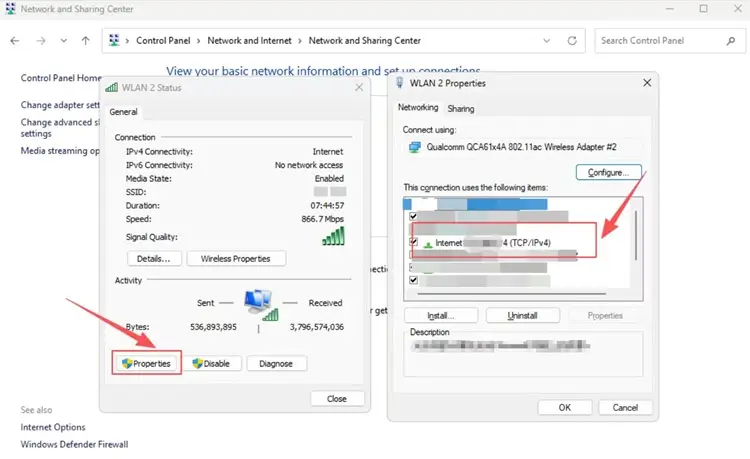
Step 3. Change DNS server assignment from automatic to manual, then enter a public DNS address such as Google DNS 8.8.8.8 / 8.8.4.4 or Cloudflare DNS 1.1.1.1 / 1.0.0.1.
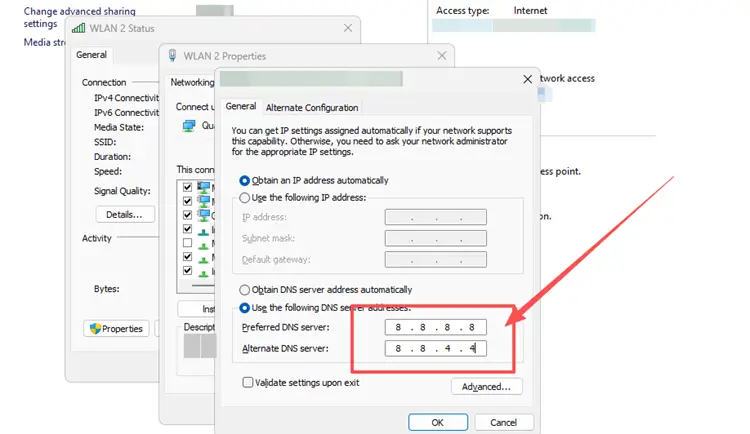
Step 4. Save the changes, restart Marvel Rivals, and check whether matches feel more stable.
Fix 10. Allow Marvel Rivals Through Firewall and Antivirus
Windows Firewall or antivirus software may sometimes restrict Marvel Rivals, Steam, Epic Games, Loading Bay, or related online services from connecting properly. Instead of turning off protection completely, add the game and launcher to the allowed app list to reduce possible connection blocks.
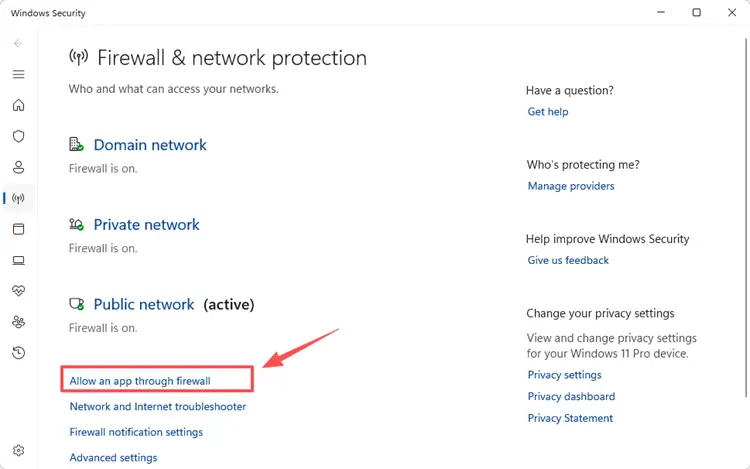
Step 1. Open Windows Security, go to Firewall & network protection, and select Allow an app through firewall.
Step 2. Click Change settings, select Allow another app, then browse to the Marvel Rivals installation folder and add the game executable file.
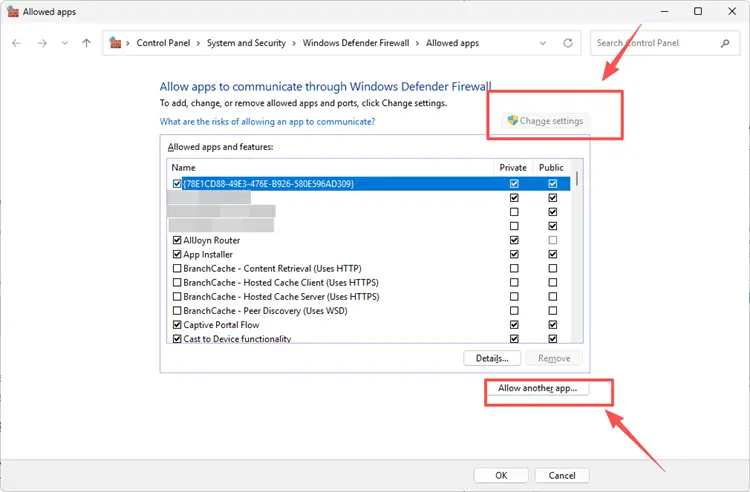
Step 3. Make sure Marvel Rivals and your launcher are allowed on your active network, click OK, and relaunch the game.
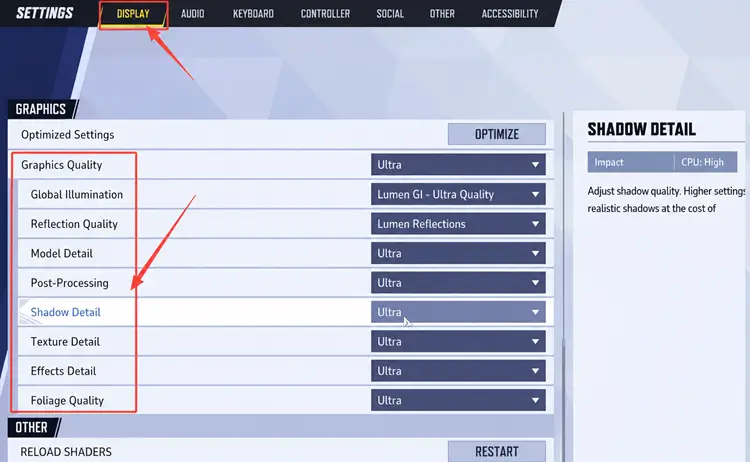
Fix 11. Lower Graphics Settings
High graphics settings can make Marvel Rivals feel laggy even when your internet is stable. If you notice FPS drops, stuttering, or delayed input during crowded fights, lower demanding options such as shadows, effects, textures, and post-processing first.
Fix 12. Update Graphics Driver
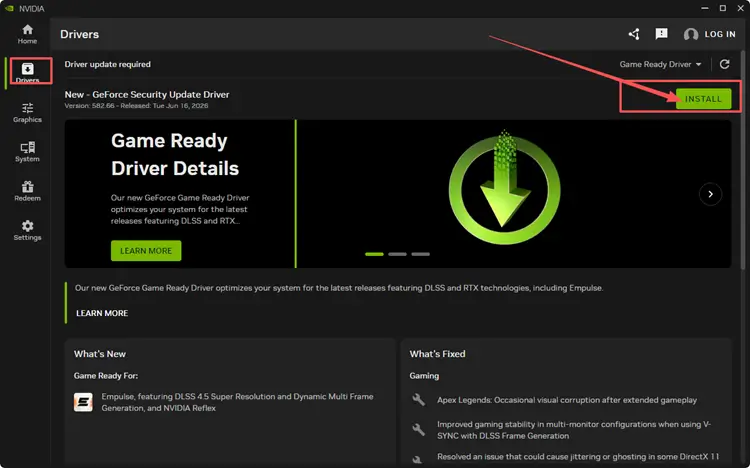
You should also update your graphics driver if performance issues continue. Outdated graphics drivers may cause Marvel Rivals FPS drops, stuttering, graphical errors, or unstable performance after updates. Update your driver through NVIDIA App or visit the official AMD or Intel support page if you use another graphics card. The steps below show you how to update graphics driver through NVIDIA App.
Step 1. Open NVIDIA App on your PC and sign in if required.
Step 2. Go to the Drivers tab, check for updates, then download and install the latest Game Ready Driver if available.
[Bonus] How to Reduce Marvel Rivals Lag with LagZapper
Marvel Rivals matches rely on quick reactions, smooth movement, and stable timing during fast team fights. If you still experience lag spikes, delayed actions, packet loss, or unstable routing after basic network fixes, LagZapper can help optimize the connection route between your device and online services.
Key Advantages of Boosting Marvel Rivals with LagZapper:
- Smart Route Optimization: Automatically finds a faster and more stable route for Marvel Rivals, helping reduce high ping, packet loss, jitter, and unstable connections.
- Reduce Lag & Improve Stability: Lower ping spikes, reduce game lag, and make matches feel more responsive during fast movement, aiming, and ability combos.
- One-Click Boost: Optimize your Marvel Rivals connection in seconds with one click. No complicated setup or manual network adjustments are required before playing.
- Support for 3,000+ Games: Use LagZapper to improve connection stability across 3,000+ online games, including Fortnite, VALORANT, Path of Exile 2, and other popular multiplayer games.
How to Boost Marvel Rivals with LagZapper [Step-by-Step Guide]
Before starting your next match, follow the steps below to prepare a smoother connection in one click with LagZapper.
Step 1. Download and Install LagZapper
Download LagZapper for Windows and follow the on-screen instructions to complete the installation.
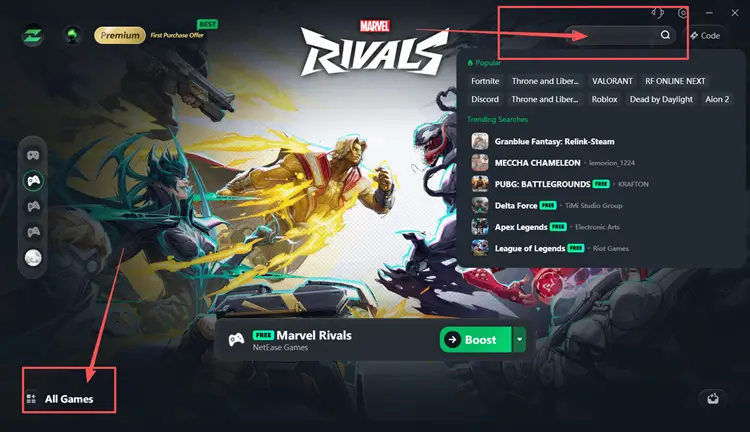
Step 2. Open LagZapper and Search for Marvel Rivals
Launch LagZapper, then use the search bar or supported games list to find Marvel Rivals.
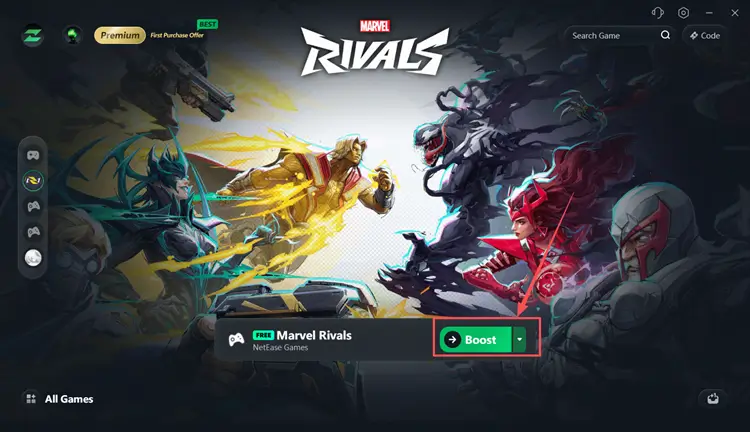
Step 3. Boost and Play Marvel Rivals
Select your preferred server or node if needed, then click Boost to optimize your connection before launching the game.
The Bottom Line
Marvel Rivals lag can come from server issues, unstable Wi-Fi, background apps, firewall blocks, DNS problems, corrupted files, or PC performance limits. Start with basic checks, then move to network resets, file repair, graphics settings, and driver updates if needed. To make online matches smoother, download LagZapper to reduce game lag and improve connection stability before your next fight.